The Full Guide to Living in an RV and Parking at a Casino Overnight for Modern Campers
Every year, thousands of people choose to live in an RV because they want the freedom of the open road and the security of home. No matter if you're a weekend warrior or a full-timer, learning the basics of camping and trip planning can make your outdoor lifestyle less stressful and more enjoyable. This complete guide covers everything, from important camping tips to one of the best tools for tourists on a budget: parking overnight at casinos across the United States.
Important Tips for RV Fans Who Like to Camp
Your outdoor experience can be made or broken by your choice of camping accessories. First, think about how you usually camp and where you like to go. Some important things to have are leveling blocks for uneven ground, a good water pressure regulator to protect your pipes, and surge breakers made just for RV electrical systems. Don't forget about comfort items like outdoor rugs that limit the living area and keep dirt from coming inside.
To make the most of your restricted storage space, think about buying gear that can be folded up or used for more than one thing. A good camping chair that folds flat, cookware that nests, and sticky spice bins can all help you save space. When it comes to camping accessories, keep in mind that quality often beats number, so buy long-lasting items that will last for years instead of buying cheap ones every season.
In Less Than 30 Minutes, You Can Set Up the Perfect Campsite
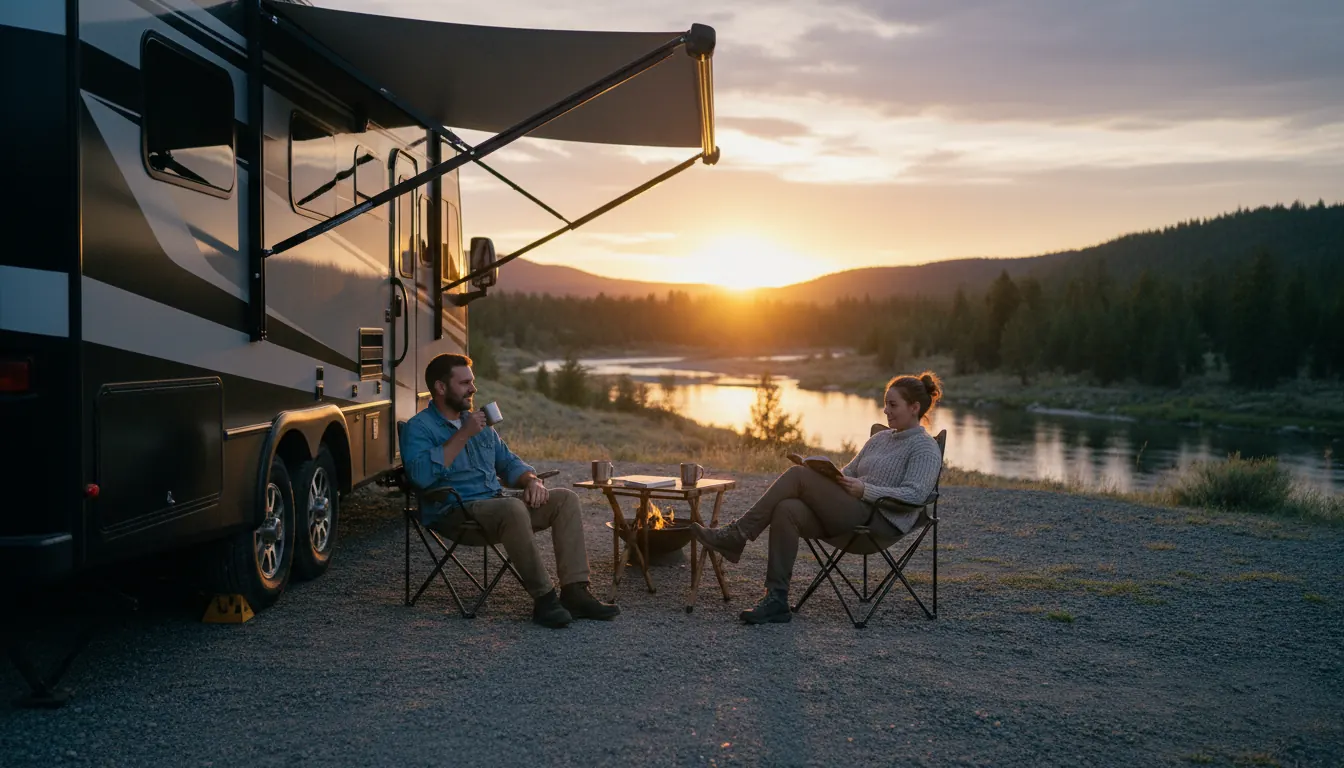
Planning ahead and practicing will help you set up your campsite quickly and easily. Before you get to any site, make a pre-departure plan to make sure that all of your storage compartments are locked, your awnings are in place, and all of your inside items are put away correctly. When you get there, take a few minutes to walk around your site and figure out where it is best for leveling, shade, and being close to the lines.
First, level your RV with blocks or the built-in leveling system. This affects everything from how well your fridge works to how well you sleep. Next, link the services in the following order: water first, then electricity, and finally sewer. Set up stabilizer jacks to keep the rig from moving around too much, and if the weather allows, extend your umbrella. The key is to make a habit that you do without thinking, which will let you rest and enjoy your trip more quickly.
How to Prepare for the Weather and Plan Your Seasonal Camping Trips
Weather-related problems can be avoided if you know what to expect when you go camping at different times of the year. Managing the heat while camping in the summer requires thinking about things like window covers, air fans, and maybe even other ways to cool down. When you go camping in the winter, you need insulated window covers, hot water hoses, and skirting to keep your uncovered undersides from freezing. In many places, the shoulder seasons are the best times to visit because the weather is nicer and there are fewer people around.
Before you leave, you should always look at long-range forecasts and pack for changes in temperature of twenty degrees or more. Get a good weather radio or an app for your phone that can send you tips about bad weather where you are. Understanding what your RV can't do in bad weather will keep you safe during sudden storms and save you a lot of money on repairs.
Learning How to Live in an RV and Plan Your Trip
| RV Type | Size Range | Fuel Economy | Best For | Cost Range |
|---|---|---|---|---|
| Class A | 26 to 45 feet | 6 to 10 MPG | Retired couples who want to live in style full-time | $100,000 to $500,000 |
| Class B Camper Van | 17–24 feet | 15–20 MPG | Solo tourists, minimalists, and people who move a lot | $60,000+ |
| Class C | 20 to 33 feet | 10 to 14 MPG | Families, first-time RVers, and people who want to use their RV for a variety of things | $70,000 to $300,000 |
| Travel Trailer | 12 to 35 feet | Depending on vehicle | Can be pulled by a car | $15,000 to $100,000 |
| Fifth Wheel | 25 to 40 feet | Depending on truck | Full-time living, large plans | $40,000 to $200,000 |
The type of RV you choose will rely on your income, how often you plan to travel, and your personal preferences. Class A RVs have the most features and room, but they cost more to maintain and use gas. Class B vans are great for camping and exploring cities without being seen because they can fit in regular parking spots and use less gas. For mobility and economy, they give up room inside.
Class C RVs are in the middle. They have some nice features, aren't too big, and are easier to drive than Class A coaches. You can be flexible with travel trailers and fifth wheels because you can disconnect the hitch and use your tow car to go exploring without having to leave your camp. Your choice should be based on how you actually travel, not on idealized events that might never happen.
Important Systems That Every RV Owner Needs to Know
There are three main systems that make up an RV: the power, the water, and the propane. Most of the time, the electrical system has both 120-volt AC power for bigger machines and 12volt DC power for lights and fans. An inverter lets you run AC tools from battery power when you're out camping, while a converter changes shore power into DC energy and charges your house batteries.
Fresh water is stored, dirty water comes from sinks and showers, and black water comes from the toilet. One of the most important things for any RV owner to learn is how to properly take care of their tanks, including how to use chemicals and how to completely winterize their RV. Your fridge, oven, water heater, and stove are all powered by gas. Regular checks for leaks with soapy water and making sure there is enough air flow keep the process safe.
Planning a Budget for Living Outside on the Road
When planning your budget for living in an RV, you need to be honest about both your set and changeable costs. Insurance, registration, storage fees during the off-season, and any ongoing loan payments are all examples of fixed costs. Costs that change include gas, campground fees, fixes, maintenance, and food. Most full-time RVers say they spend between $2,000 and $4,000 a month, but this can vary a lot depending on how often they move and where they stay.
Planning ahead for free or cheap camping choices can save you a lot of money. Camping on public lands, using club camping programs, and parking at casinos are all great ways to save a lot of money on lodging. Maintenance and repair budgets should include both planned maintenance and breakdowns that come up out of the blue. Most experienced travelers suggest setting aside 10% of the RV's value for big fixes.
How to Get the Most Out of Your Camping Trip
With the right gear, camping can go from being just a way to survive to being a real fun experience. Portable solar panels give you energy freedom, so you can stay for longer periods of time without having to hook up. With a good movable grill or outdoor cooking system, you can cook more than just what's on the stove in your RV. At night, LED string lights make your campsite look better and add to the atmosphere.
Tech gadgets are now an important part of urban camping. Cellular signal boosters help keep people connected to the internet in remote places, which is important for people who work from home. Portable WiFi hotspots with unlimited data plans are more reliable and cost less than the WiFi fees that most campgrounds charge. Don't forget about comfort items like blackout curtains or memory foam mattress toppers; they can have a big effect on how well you sleep and how happy you are with life in an RV generally.
This Is the Ultimate RV Packing List for Long Trips
- Safety and Emergency Gear: A first aid box with items specifically made for RVs, fire extinguishers put all over the rig, a roadside emergency kit with flares and bright flags, a system to check tire pressure, and a backup way to communicate in places where cell service isn't available.
- Utility Connection Equipment: A water pressure regulator, multiple electrical adapters for different amp services, drinking water-safe hoses, sewer hoses with the right fittings and support, wheel chocks and leveling blocks, and extra fuses for both the house and chassis electrical systems.
- Maintenance and Repair Tools: A basic tool kit with screwdrivers, wrenches, pliers, duct tape, and Eternabond tape for quick fixes, extra bulbs for all the lights, a tire repair kit, a portable air compressor, and the phone numbers of mobile RV repair services that are along your route.
- Kitchen and Home Supplies: Nesting pots and containers that can be folded up to save space, toilet paper that works well in RVs, paper products and cleaning supplies that are small, and gas and carbon monoxide alarms with fresh batteries.
- Documentation and Information: Printouts of registration, insurance, and ownership papers, campground listings and memberships, offline maps for places without cell service, maintenance records and warranty information, and phone numbers for emergency help.
- Seasonal Items: For hot areas, summer needs window screens, fans, and more water storage. In the winter, you need heated lines, tank heaters, more gas, and window insulation. During shoulder seasons, you need layers of clothes that can be worn in different situations and safety from all weather.
- Entertainment and Comfort: Books, games, and offline entertainment options for places that aren't connected to the internet, outdoor exercise gear that's right for your destination, comfortable seats for inside and outside, and good bedding that stays comfortable even when there isn't much room for it.
Getting in Touch with Other Campers While Traveling
The RV community is a great place to get help, make friends, and share information that makes life better in general. Online forums and social media groups let you connect with experienced tourists who can help you choose a place, give you technical advice, or just be there for you when things get tough. Many RVers find it easy to make friends while they're on the road because they share common experiences at sites and other popular spots to hang out.
You can learn directly from makers and other RV owners by going to events that are specific to your rig's brand or your way of life. Meetups for local groups are regularly held all over the country through a variety of sites. As a core part of the camping lifestyle, Cruisin' + Campfires stresses community interaction. This is because shared experiences and relationships are often more important than locations.
RV Parking Overnight at Casinos All Over the United States
As a way to get more customers, casinos actively promote RV overnight parking. This is good for both the casinos and the tourists. These businesses know that RVers are possible customers who might eat at restaurants, play games, or go to entertainment places while they're there. Traditional companies see overnight parking as an issue, but casinos see it as a chance to bring in new customers without having to pay for the costs of running RV parks.
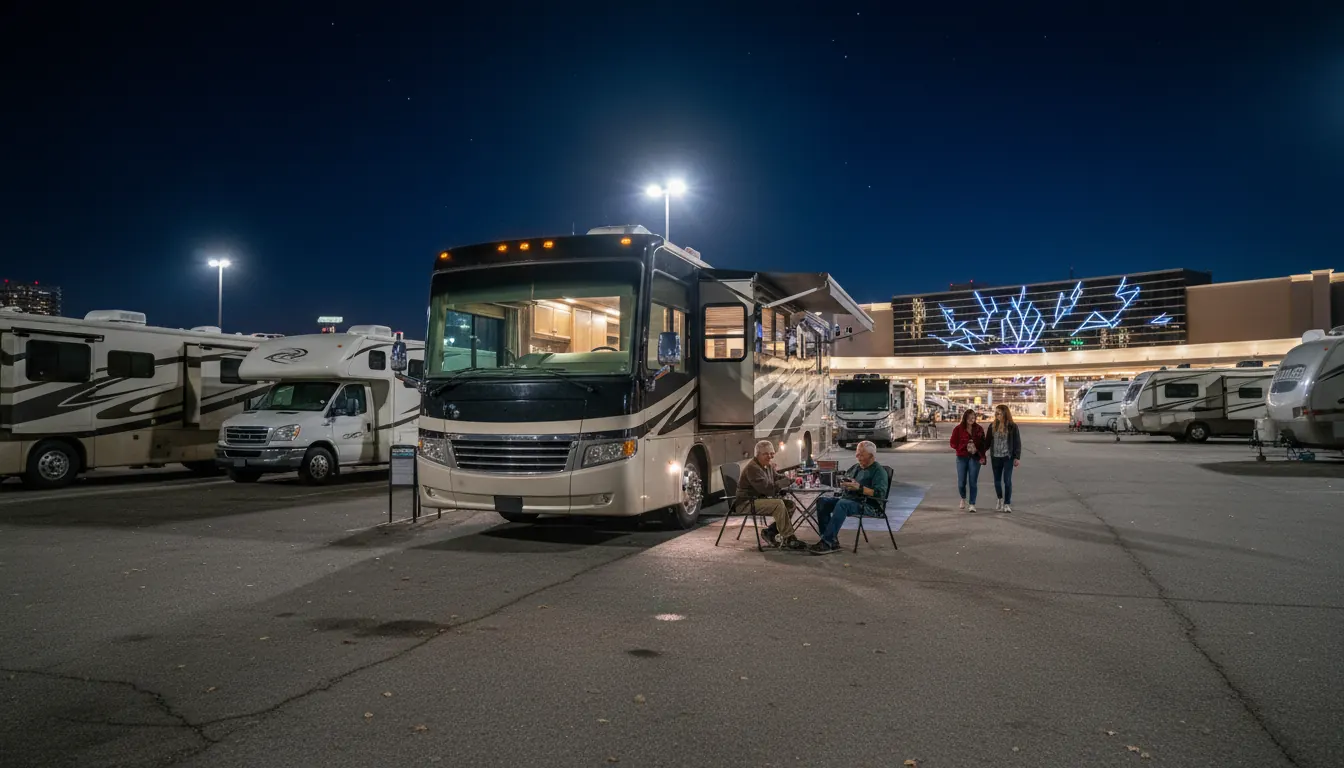
This agreement, which is good for both parties, has become an important part of camping culture, especially for tourists looking for free overnight stays to save money on their trips. Most casinos have RV parking areas with level ground, enough room for slideouts, and a level of protection provided by regular patrols and video systems. It has become so popular that many RVers plan their routes so that they include stops at casinos.
A Complete Guide to the Rules and Proper Ways to Park an RV at a Casino
- Always Make Sure You Have Permission First: Check with the casino host desk or security office to see if overnight parking is allowed and to learn any special rules. Most casinos let you stay the night for free, but some have rules about how long you can stay, need you to sign up, or have special parking areas for RVs.
- Only Park in Designated Areas: Do not park in regular parking spots for cars, block entry routes, or park close to building doors. RV parking lots usually have places set aside for them that are around the edges and have enough room for slideouts. Respect any signs that say "not allowed" in certain areas.
- Limit Your Stay to One Night: If you park at a casino, you can only stay overnight, unless the site specifically allows longer stays. Overstaying makes it easier for RVers to be limited and hurts the trust that makes these chances possible.
- Be a Respectful Guest: Don't make too much noise, make sure all outdoor things are properly secured, and don't do anything that will get you in trouble. Set up full camping gear like chairs, tables, and grills unless the building specifically allows it.
- Support the Business: Going to the casino's restaurants, shops, or entertainment places isn't required, but it shows respect for their kindness. Spending even a small amount shows that you value the free parking and helps keep the practice going.
- Clean Up After Yourself: Never dump tanks or garbage in parking lots. Be responsible when using ship facilities, and plan your tank management around where to dump your tanks. If you leave a mess, you could be fined or have your parking revoked right away.
- Maintain Your Independence: If you park at a casino, they'll think you're self-sufficient and don't need to connect to water or electricity. Generators should only be turned on at acceptable times, usually between 8 AM and 10 PM.
- Personal Safety: Most casino parking lots have good lights and are patrolled regularly, but you should still take normal safety measures. Keep your items safe, lock the doors, and watch out for people, just like you would in any public parking lot.
The Cruisin and Campfires Lifestyle: State-by-State Casino Parking Policies
Nevada has more casino RV parking spots than any other state. Hotels in Las Vegas, Reno, and other smaller places usually let people stay the night. The easiest places to park an RV in Las Vegas are usually the casinos on Boulder Highway and in the city area. Nevada's casinos know that RV visitors bring in a lot of money from tourists, so they usually have nice rules about overnight parking.
There are big differences in how California tribe casinos handle RV parking. Some have full RV parks, while others let you stay the night for free in certain places. Oklahoma has a lot of tribal casinos along major roads that are geared toward RV tourists and often have big, level parking lots just for motorhomes and trailers. Some Midwestern states, like Iowa, Kansas, and Missouri, have both riverboat and land-based casinos that are usually okay with RV parking.
RVers can usually stay at Arizona tribe casinos that are close to major roads, especially along I-40 and I-10. It's become so common for RVers to park their trailers at casinos that many tourists look at casinos as safe places to stay the night when planning cross-country trips.
How to Get the Most Out of Your RV Travel Freedom and Flexibility
| Type of Location | Price | Amenities Offered | Level of Security | Average Length of Stay |
|---|---|---|---|---|
| Casino Parking | Free | Bathrooms, bars, moderate to high lights | Moderate to High | One night |
| Walmart/Retail | Free | Shopping, Restrooms | Low to Moderate | One night |
| Rest Areas | Free | Bathrooms and eating places | Low to Moderate | 2 to 8 hours |
| BLM Land | Free | None | Low | 14 days |
| Private Campgrounds | $25 to $80/night | Full hookups, showers, WiFi | Moderate to High | Variable |
Knowing the laws about parking overnight will keep you from getting tickets and protect your freedom to move. Different places have very different rules about overnight parking. Some towns make it illegal to sleep in your car, while others don't have any restrictions at all. In most places, you can camp anywhere on federal lands controlled by the Bureau of Land Management and the National Forest Service for up to 14 days.
Each state's rest areas follow its own rules, with some letting people park overnight for certain amounts of time and others not letting them do it at all. Always look at public signs and the websites of state transportation departments to find out what the rules are right now. To legally camp, you need to check the rules before you get there, follow the rules that are written, and be polite to keep your right.
Creating Your Own Route with a Choice of Several Overnight Stops
When planning a route, it's important to include a variety of overnight choices that can be used in case of delays or new possibilities. Start by writing down your main targets, then work backwards to figure out how far you can realistically drive each day. Most RVers who have done this before limit their daily trips to 200 to 300 miles. This gives them time to refuel, eat, and get back during the day.
Mobile apps and websites like Allstays, iOverlander, and Campendium use crowdsourcing to gather information about places to park overnight, such as recent reviews, GPS locations, and current rules. Make extra plans for each night's stay in case the first one you choose is full or doesn't accept RVs anymore. The idea behind Cruisin' + Campfires supports both spontaneous exploration and careful planning.
The Safest and Most Secure Ways to Camp Out Overnight
For personal safety while boondocking, you need to be aware without being paranoid. Most places where RVers and travelers park overnight are with other RVers and travelers. This builds a sense of community and mutual knowledge that keeps problems from happening. Trust your gut; if a place makes you feel uncomfortable or dangerous, leave it and go somewhere else. Most of the time, well-lit places with regular action are safer than spots that are off by themselves.
When you go to sleep or leave your RV, lock all the doors and windows to keep it safe. You might want to get commercial-grade locks and security systems with motion monitors. In the evening, keep the blinds closed so that no one can see inside or look at your things. Keep your eyes open for cars or people that don't seem to belong or are acting strangely.
Frequently Asked Questions
Do Las Vegas casinos let RVs stay overnight?
A lot of casinos in Las Vegas let you park your RV overnight. This is especially true for casinos along Boulder Highway and in downtown areas. There are reserved parking places for RVs at Sam's Town, Main Street Station, and a few other casinos. But homes on the busy Strip usually don't let people park overnight because they don't have enough room. Rules change all the time, so always check with security or the host desk to make sure you know what the current rules are. Most places that let you stay the night expect you to stay for no more than one night and would like you to use their restaurants or other services.
Before I park at a casino, what camping tips should I know?
Some important camping tips for casino parking are to get there during the day to find the marked RV areas, to park carefully so that neighbors have enough room, and to avoid setting up tents or other large camping structures. Since lines are never available, make sure you have enough fresh water and cell power to get by. Instead of thinking that parking is allowed, you should always ask the casino management for permission. Spending a little money on meals or activities at the business shows respect and helps keep the right.
Are there any camping accessories that are particularly useful for staying in a casino's parking lot?
A number of camping accessories make parking at casinos a lot more fun. Portable generators that run quietly let you set the temperature without bothering your neighbors. During the day, solar screens make electricity without making any noise. You can be more independent with battery-powered fans and USB charging devices. Since casino WiFi doesn't always reach the edges of the parking lot, a portable WiFi hotspot makes sure you can connect. Leveling blocks are useful for parking lots that are on slopes. Window coverings give you privacy while still following the rules for the gambling land.
How does RV living work when you stay at a casino overnight?
Parking at a casino overnight fits right in with living in an RV as a smart way to save money and move efficiently. Full-time RVers often add stops at casinos to longer routes to break up the drive and avoid paying for campgrounds. This method works best when used with other ways to find a place to stay, like camping on public lands or in club camps. A lot of tourists plan their trips around casinos, especially in places where there aren't many free camping choices.
What kinds of outdoor lifestyle activities are available close to casino parking lots?
Despite being in an urban or business setting, casinos frequently offer surprising access to outdoor lifestyle activities. A lot of homes in Nevada and Oklahoma are close to public lands where you can hike, take pictures, and learn about nature. Casinos on rivers offer fishing and other water sports. People who gamble in cities can go to nearby parks, walking tracks, and cultural sites. Do some research on the area around the casino you're interested in to find fun things to do that fit your hobbies.
How do I find places to park at casinos that are okay with Cruisin' + Campfires?
To get correct and up-to-date information on casino parking, you need to use more than one source. On the Casino Camper website, there is a large collection of casino RV parking rules that is kept up to date by user comments. Mobile apps like Allstays Casino let you sort places by whether they are RV-friendly and show recent reviews from other visitors. Online communities, like iRV2 and RV.net, let people with real-life experience talk about individual properties. Before you go, call ahead to make sure you know the rules, because when management moves, long-standing practices can become different.
Is it free to park an RV at a casino, or do they charge?
Most casino RV parking is free because the casinos see overnight guests as possible customers and don't want to charge directly for parking spots. This is what makes casino parking different from RV parks that are run by casinos. RV parks are separate places with hookups and other services that charge nightly fees. Some places charge small fees or require a minimum amount of money to be spent on gaming or eating, but these are the exceptions, not the norm.
Can I use the casino's facilities while my RV is parked overnight?
Overnight RV guests can still use all of the casino's facilities, such as the bathrooms, bars, gaming areas, entertainment sites, and shopping areas. As the main reason for giving free parking, many casinos actively urge RV guests to check out what they have to offer. However, pool areas and exercise rooms are usually only open to hotel guests. Unspokenly, the business expects overnight guests to spend a fair amount of money, but specific spending standards are still rare.
The RV lifestyle gives you the freedom to see all of America's beautiful scenery while still having all the pleasures of home. To be successful at this outdoor lifestyle, you need to learn useful camping tips, how to use basic RV systems, and how to plan routes that include a variety of places to stay the night. Casino parking has become a useful resource for visitors on a budget because it gives them a safe place to stay the night and helps the local economy. Respect the benefit of free parking by being polite, buy high-quality camping accessories, and join the community of fellow travelers who share your adventurous lifestyle, whether you're just starting out with your RV or have been on the road for years.