Budget-Friendly Boondocking: Your Complete Public Lands Camping Guide
Boondocking on public lands offers the ultimate freedom for RV travelers seeking adventure without campground fees. Millions of acres managed by the Bureau of Land Management (BLM) and National Forest Service provide free camping opportunities across the American West. This comprehensive guide covers everything from finding prime locations to staying safe while embracing the off-grid outdoor lifestyle that defines modern boondocking.
Understanding Public Land Camping Regulations
Federal public lands offer dispersed camping opportunities with specific rules that vary by agency and location. BLM land typically allows 14-day stays in most areas, with some high-demand locations limiting stays to 7 days. National Forests follow similar guidelines but may have additional restrictions during fire season. Always check local regulations before settling in, as some areas restrict camping during certain seasons or require permits for extended stays.
- Most BLM and Forest Service land allows free camping up to 14 consecutive days
- You must move at least 25 miles away before returning to the same area
- No hookups are available, requiring complete self-sufficiency for water and power
- Leave No Trace principles are mandatory to preserve these resources for future campers
- Some popular areas require advance reservations even for dispersed camping sites
Popular Boondocking Regions Overview
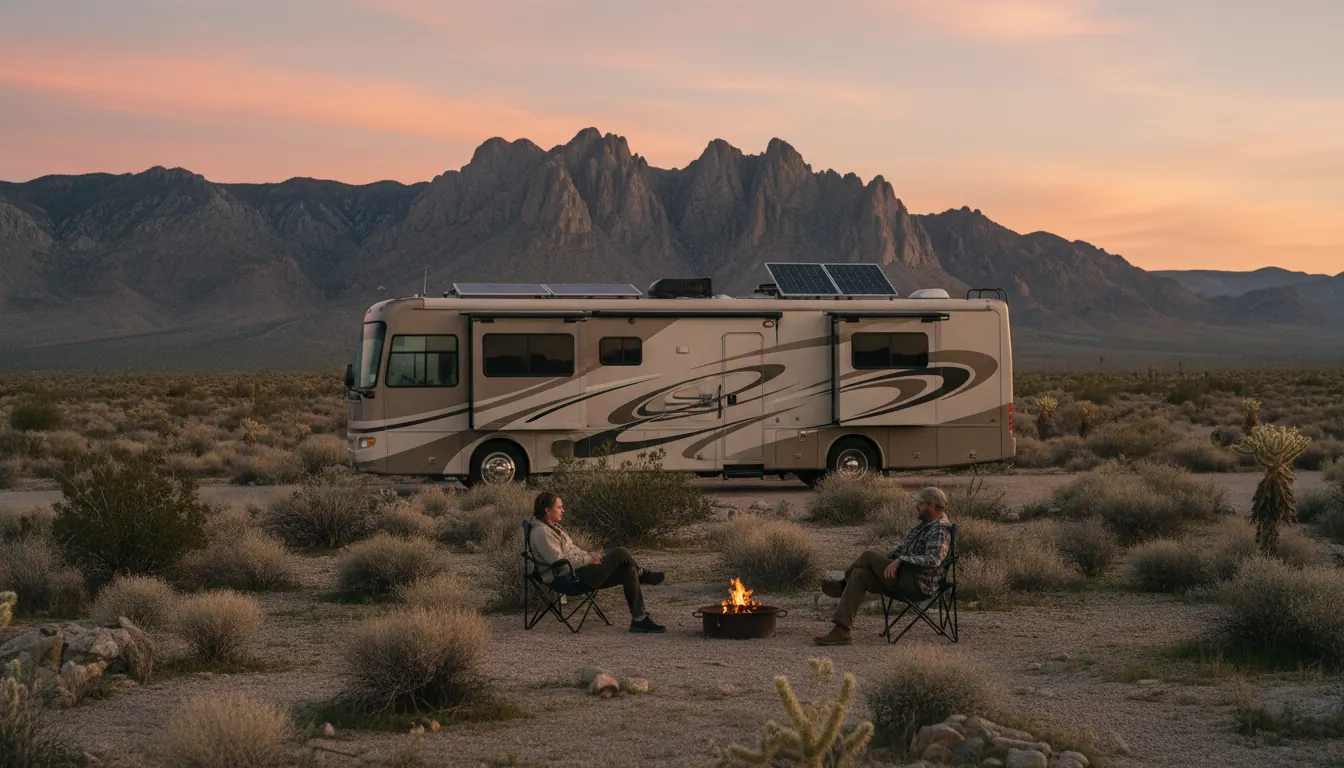
Different regions offer unique boondocking experiences with varying levels of accessibility and amenities. Understanding these differences helps you choose destinations that match your comfort level and equipment.
| Region | Season | Difficulty |
|---|---|---|
| Arizona Desert (Quartzsite) | Winter | Easy |
| Utah Red Rock Country | Spring/Fall | Moderate |
| Colorado National Forests | Summer | Moderate-Hard |
| Nevada Basin Ranges | Year-round | Easy-Moderate |
"Boondocking isn't just about saving money—it's about experiencing nature in its purest form, away from crowds and connected only to the land around you."
Essential Equipment for Off-Grid Success
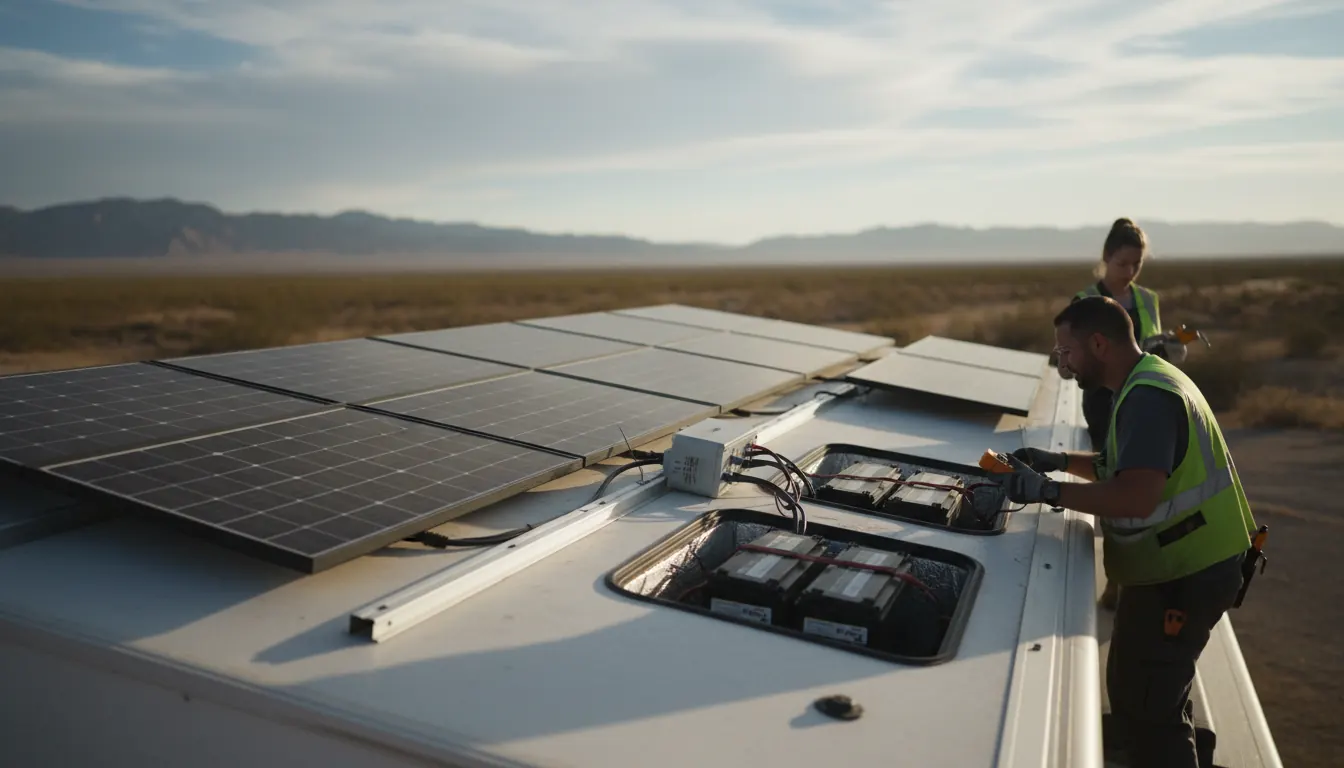
Successful boondocking requires adequate preparation and the right equipment. Solar panels provide sustainable power for extended stays, while large fresh water tanks and conservation practices extend your independence. A quality generator serves as backup power for cloudy days or high-demand situations. Proper waste management planning ensures you can stay comfortable for days or weeks without facilities, and cellular signal boosters keep you connected when needed for work or emergencies.